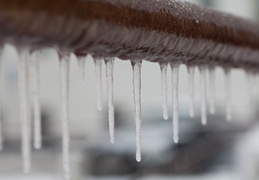
 This past fall, we discussed the importance of preventing frozen pipes. This is an unfortunately common problem during this time of the year, as temperatures drop below freezing outside and effect any outdoor plumbing you may have, in addition to indoor plumbing that’s hidden behind walls and beneath floors—which describes the majority of your plumbing system!
Regardless of whether or not you took preventive measures, you may have still ended up with frozen pipes. So, what do you do about it? Your first instinct is likely to try to thaw them on your own—perhaps with a hairdryer or some type of heavy duty garage equipment you have, like a blow torch. Resist this temptation! You can do more harm than good, damaging your pipes and increasing the likelihood of injury.
For safe and effective plumbing repair in Salt Lake City, UT, reach out to our team. Here’s what you can expect, when you do.
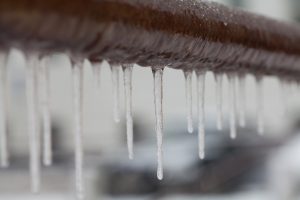 This time of the year is known for chilly temps, falling snow, and—unfortunately—frozen pipes. And this can actually cause a good deal of damage if not addressed properly. This is because as the water in the pipes freezes, it expands and puts pressure on the walls of the pipes, increasing the likelihood of burst pipes.
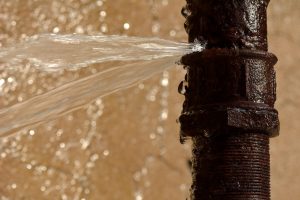 Some plumbing issues are fairly obvious. For example, you might have a clogged drain in the bathroom that is causing water to severely back up. Ideally, you’d be able to resolve this with nothing more than a plunger and a little bit of “elbow grease.”
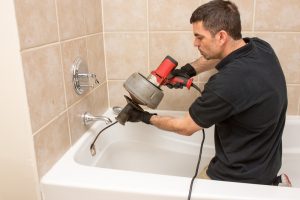 Clogged drains are, unfortunately, a pretty common occurrence. Chances are that sometime throughout your homeownership, you will deal with this problem yourself. The default solution is to rush off to a hardware store and purchase either a chemical drain cleaner or a device such as a drain snake.
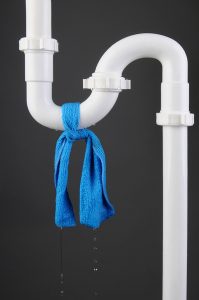 Plumbing problems probably rank at the top of your list for annoying household issues to deal with. And most leaks are difficult to detect—in fact, the majority of homeowners don’t realize they even have a plumbing problem until it’s too late to prevent extensive damage.
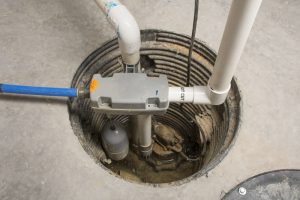 If you’re one of the many Utah homeowners with a sump pump in your basement, the reason it’s there is so that you aren’t risking hundreds or thousands of dollars in flood damages. Your home can certainly be prone to heaving flooding, or you might live in an area with a high water table. Either way, there’s never a bad time to think about installing a sump pump in your basement if you don’t already have one, or servicing your existing device. Keep reading to learn a few things you should know about sump pumps and the importance of